The British Museum’s exhibition exploring the origins of Hindu, Jain and Buddhist sacred art is extremely serene and wonderfully put together.
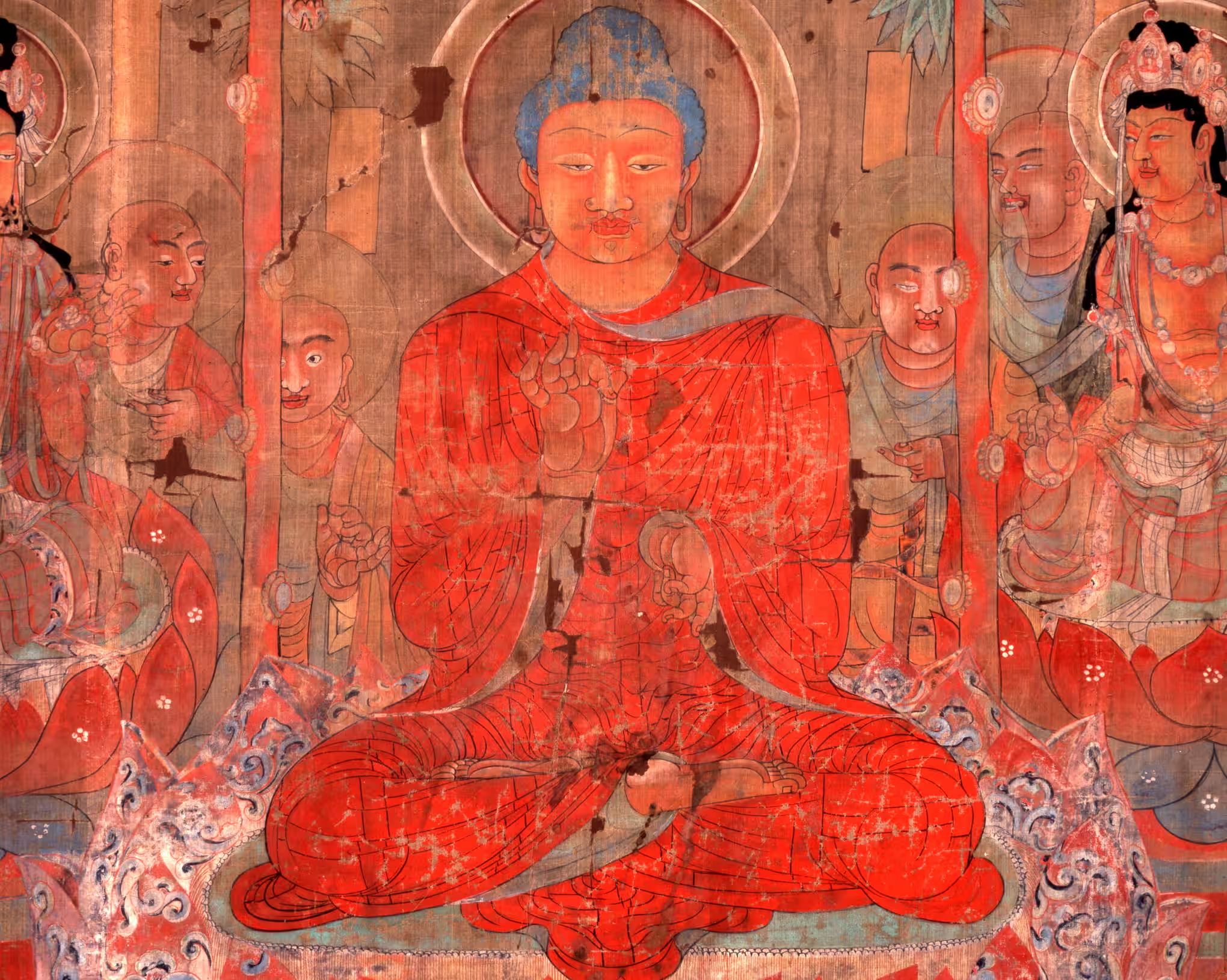
Sweeping visitors back in time with sensitivity and insight, the British Museum’s exhibition exploring the origins of the art for the Hindu, Jain and Buddhist religions has clearly been carefully curated with great respect for the subject.
Focusing predominantly on the period 200BC to AD600, Ancient India: Living Traditions through a variety of sculptures and other intriguing objects to bring each religion vividly to life, leaving visitors feeling suitably amazed – particularly helped alongside with some fascinating films about how each religion’s traditions are still being followed to this day.
There is also a real sense that this is an immersive experience, with curtains that swish effortlessly as you breeze through each section, the soft lighting that ensures the objects stand out and a variety of natural sounds through the soundscape makes you feel that you are stepping into a different world. There is a very natural and serene atmosphere that is consistent throughout, making you feel calm and unhurried whilst wondering around.
From figures depicting nature spirits, to evolving to the gods that each religion becomes known for, you get a real sense of the similarities and differences between each religion. But it does have to be said i was left wanting a little bit more about each – but particularly Jainism which is a religion that I was unfamiliar with going into this exhibition and real highlights include the stunningly created iny bronze sculpture of the Jain teacher Parshvanatha and a marble structure of tirthankara, an enlightened teacher. Each object in every section has been selected with a true purpose,
This on reflection is part of the power of this exhibition, it encourages the visitor on their own individual journey to seek out and find out more – it is educational but never overwhelming.
It is also impressive that the respectfulness goes into every detail: mentioning exactly where each piece has been discovered, while also highlighting the fact that many of the materials used in creating the look of the exhibition (including the paint – which is vegan) has been ethically sourced. In one section, it is incredible to see how these religions have spread globally and the sheer joy and comfort that they bring to so many.
Overall, this is an exhibition that is respectful and insightful of its subject that leaves the visitor wanting to find out more – particularly on how we can reflect on some of the aspects of each into our own lives.
By Emma Clarendon
Ancient India: Living Traditions is on display until the 19th October.
Rating: ❤️❤️❤️❤️❤️