The exhibition will be on display from the 21st November until the 14th March 2027.

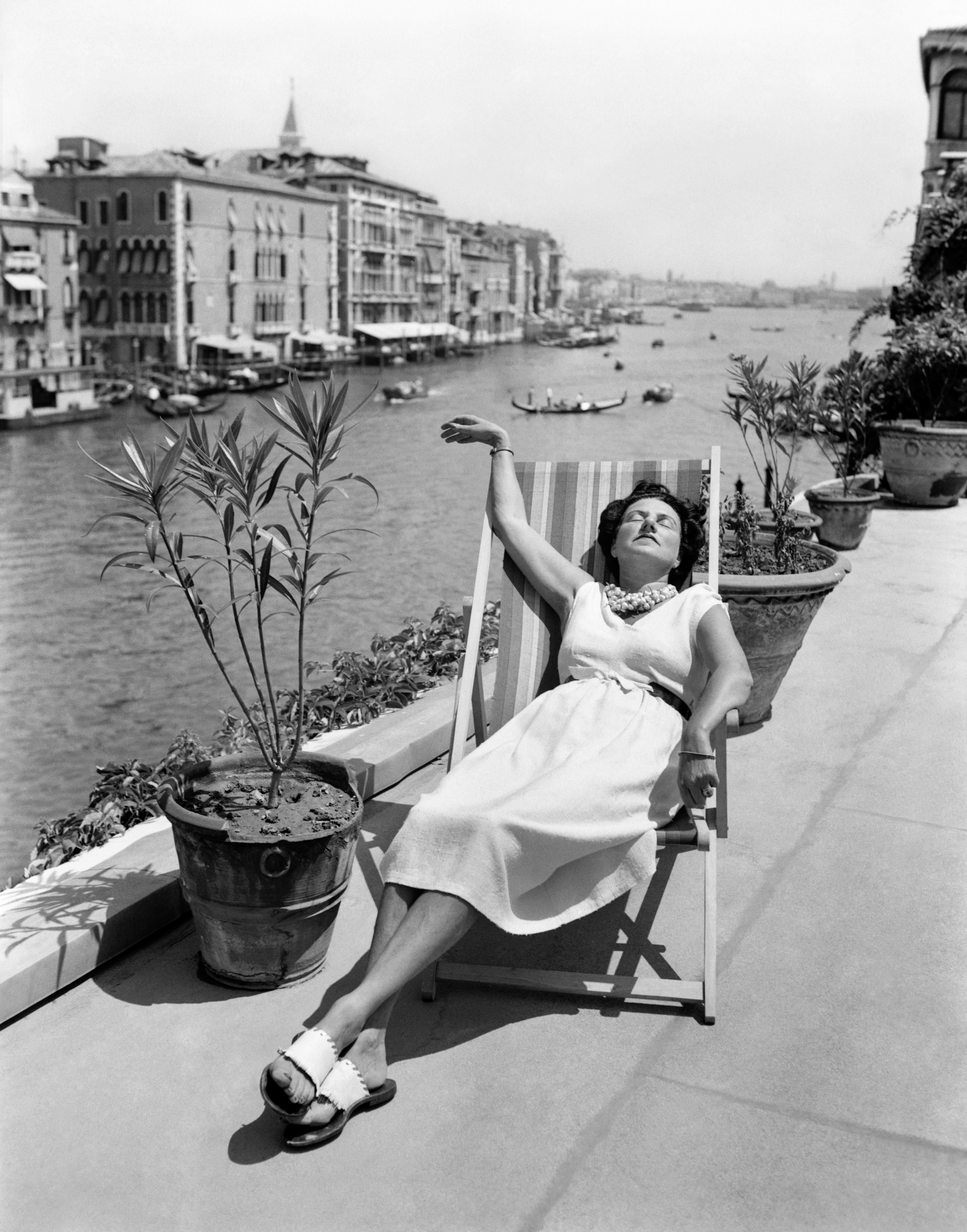
Solomon R. Guggenheim Foundation. Photo: Archivio Cameraphoto Epoche, Gift, Cassa di
Risparmio di Venezia, 2005.
The Royal Academy of Arts will open to the public a new exhibition that celebrates the groundbreaking gallery, Guggenheim Jeune, run by Peggy Guggenheim at 30 Cork Street, London, just around the corner from the Royal Academy, between January 1938 and June 1939.
This new display will bring together over 80 works across a variety of media –
including painting, sculpture, drawings, collage, prints and photography to explore the variety of exhibitions that Peggy Guggenheim ran there and the gallery’s central contribution to the development of the London art scene.
Guggenheim was a key figure in the London art world in the late 1930s, and Guggenheim Jeune, her first gallery, quickly established itself as a leading venue for the latest developments in Surrealism and abstraction. Over the course of 18 months, Guggenheim Jeune held over 20 exhibitions and Kathryn Uhde many curatorial firsts, such as the first UK solo shows dedicated to Vasily Kandinsky, Jean Cocteau and Yves Tanguy among others, the first group show of collage in the UK, and a contemporary sculpture exhibition that caused a scandal.
Peggy Guggenheim In London: The Making of a Collector will bring together some of the works that were displayed as part of these exhibitions. This will include works by artists such as Eileen Agar, Jean Cocteau, Salvador Dalí, Barbara Hepworth, Vasily Kandinsky, Rita Kernn-Larsen, Henry Moore, Piet Mondrian, Cedric Morris, Grace Pailthorpe, Sophie Taeuber-Arp, Yves Tanguy and others.
The exhibition will open with presentation of portraiture, which includes a selection of paintings by Cedric Morris, and a series of photographs by Gisèle Freund, introducing the circle of friends and advisors who helped inform Guggenheim’s vision. It will then be followed by a section dedicated to organic abstraction, highlighting the gallery’s pioneering
solo exhibitions of artists such as Kandinsky and Charles Howard, among others. Their works will hang alongside examples from the controversial Exhibition of Contemporary Sculpture, which generated considerable public debate when the Director of the Tate refused to recognise several of the works as “art” when they arrived at British Customs.
The following gallery will explore wider approaches to abstraction through the pioneering Exhibition of Abstract and Concrete Art. Reflecting Guggenheim’s international outlook amid growing political uncertainty, the show united British artists with peers from across Europe, such as Mondrian and Taeuber-Arp, at a moment when many, including Otto Freundlich, were fleeing the rise of Fascism. There will also be a section devoted to collage, highlighting works by Agar and Paule Vézelay, as well as a display of puppets by Marie Vassilieff, demonstrating how Guggenheim’s programme platformed women artists and embraced a wide range of artistic styles. The show will conclude withworks by Surrealist artists exhibited at Guggenheim Jeune, including Kernn-Larsen, Pailthorpe, Reuben Mednikoff and Wolfgang Paalen.
To book tickets visit: https://www.royalacademy.org.uk/exhibition/peggy-guggenheim-in-london